Korean traditional liquor begins with rice, nuruk (a traditional fermentation starter) and water. Leave the fermented mash to rest quietly, and it slowly separates into two layers: a clear layer on top, and a cloudy white layer below. These become “yakju” and “makgeolli.”
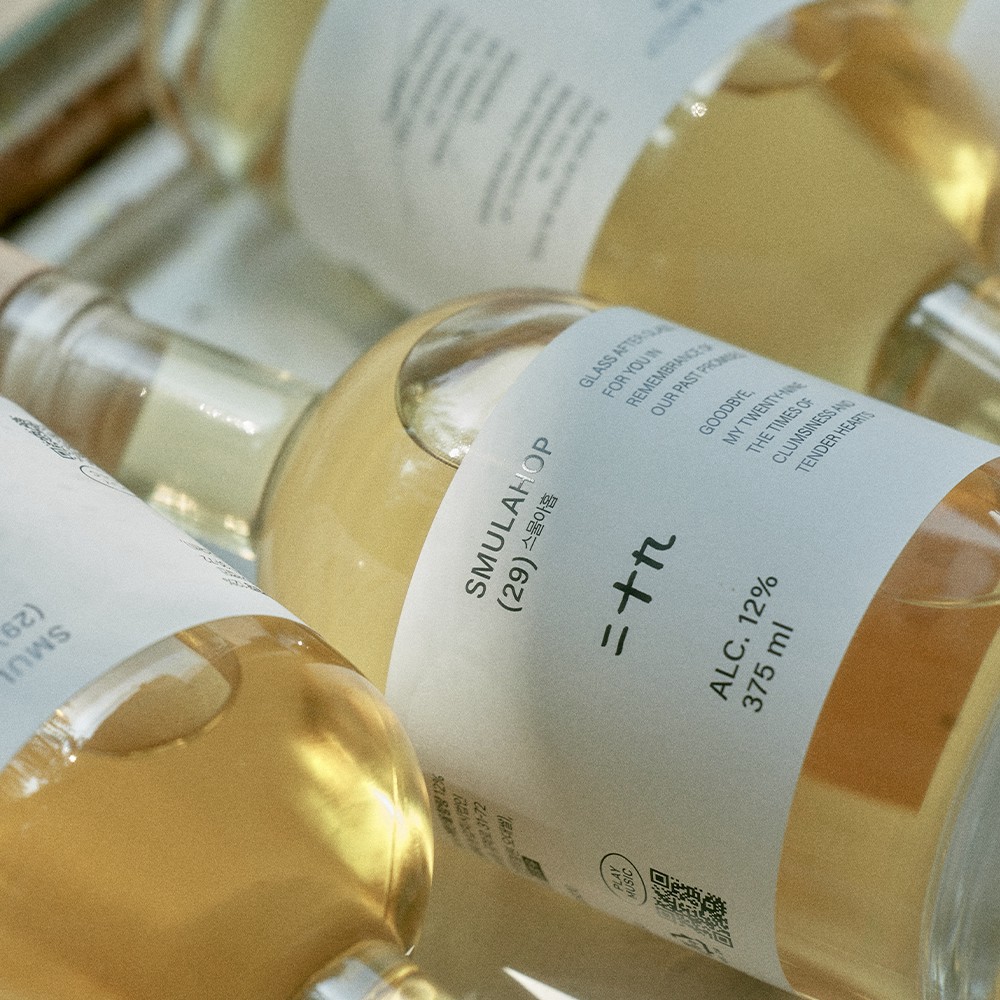
The clear top: yakju
The transparent, golden liquid that gathers at the top is drawn off and becomes yakju. Despite the character 薬 (“medicine”) in its name, it makes no health claims. In the Joseon era, yakju was the refined drink of the yangban aristocracy, served on important occasions, and the name has long carried that sense of respect.
It has a gentle aroma and a quiet, spreading savoriness of rice. Many people find it close to Japanese sake, but differences in the starter give it fruit-like aromas and a subtle acidity of its own.
The cloudy part: makgeolli
What remains after the clear liquid is drawn is strained, usually with water added, to make makgeolli. “Mak” is said to mean “roughly, right away,” and “geolli” to mean “to strain.” Fine rice particles give it a soft texture, with natural sweetness and acidity.
In Japan, makgeolli is often seen as a light, sweet drink — but that is only one side of it. Strength ranges from a gentle 6% to a rich 12%, close to the undiluted brew, and more and more makers draw out sweetness from rice and nuruk alone, without artificial sweeteners.
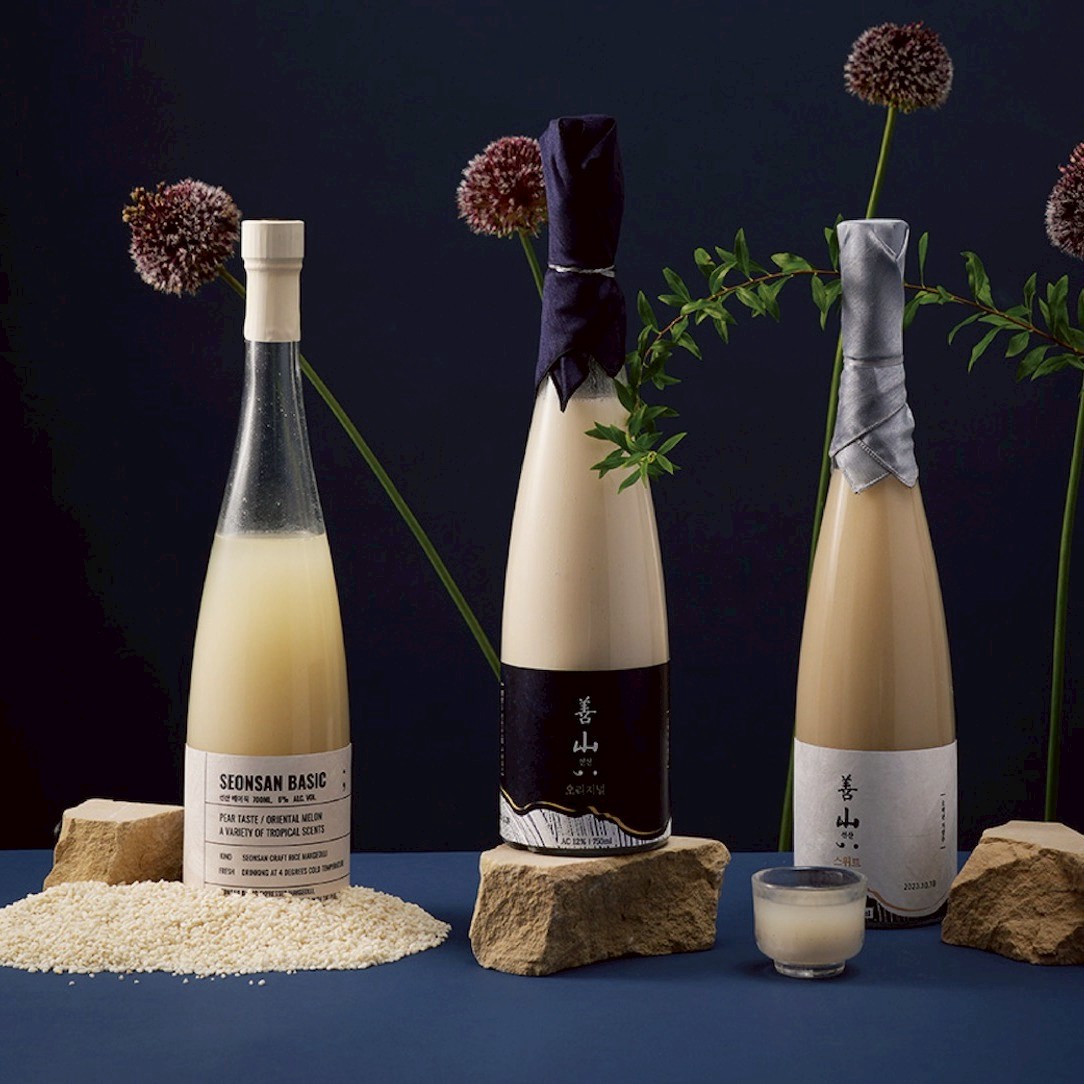
One mash, two expressions
Yakju and makgeolli from the same mash are like siblings. The clear yakju is crisp and well-defined; the cloudy makgeolli is round and enveloping.
A tip for tasting
Pour the yakju and the makgeolli from the same maker into identical glasses, side by side. Aroma, color, texture — the difference between “clear” and “cloudy” becomes surprisingly vivid.
Inside a bottle of unpasteurized makgeolli, too
Look at a bottle of unpasteurized makgeolli that has rested in the fridge: the top is clear and white sediment has settled below. It’s the same principle. Pour just the clear top without shaking, and you’ll find a delicacy close to yakju. Read more in “Unpasteurized makgeolli: shake it or not?”.
Tasting at BISHUKAN
BISHUKAN introduces makgeolli and yakju with a different character from each brewery. For a clear yakju, try “29” from Doorumi Brewery; for a cloudy makgeolli, “An Old Song” from the same brewery. Taste side by side two expressions born from one philosophy.
Featured in this story


Drinking by persons under 20 is prohibited by law in Japan.