Take a bottle of unpasteurized makgeolli out of the fridge. White sediment has settled at the bottom, and the top is slightly clear. That’s simply the rice’s savoriness settling — nothing is wrong with it. In fact, this “separated” state is the doorway to one of the great pleasures of fresh makgeolli.
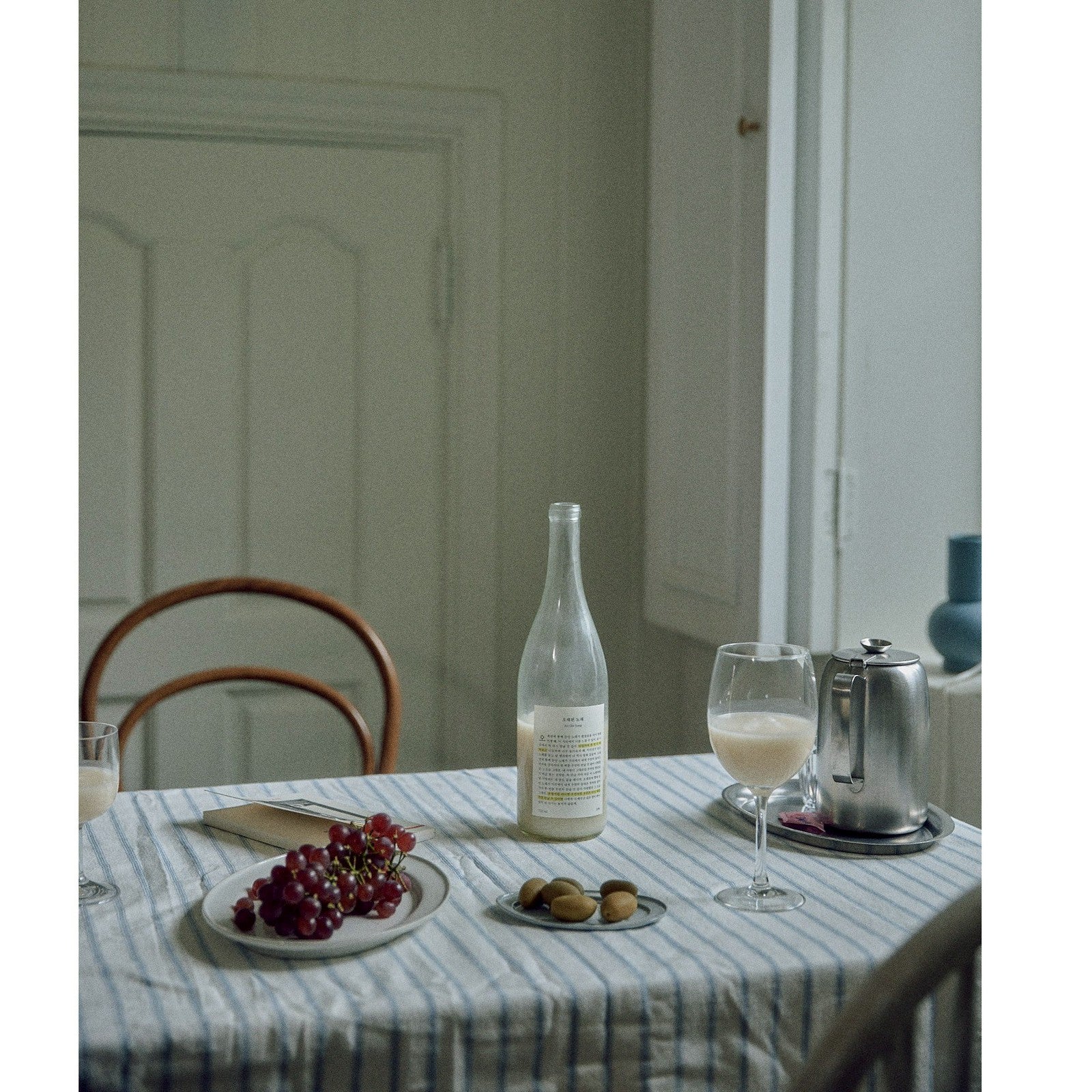
The first glass: don’t shake
Without tipping the bottle, gently pour only the clear top into a glass. You’ll find a crisp aroma and a delicacy close to yakju. Aroma, acidity and smoothness come forward more than the sweetness of rice.
From the second glass: mix gently
Next, with the cap closed, slowly turn the bottle upside down and back a few times to blend in the sediment. The texture becomes creamy, and the rice’s sweetness and savoriness step forward. It hardly seems like the same bottle.
“One glass unshaken, one glass shaken”
OLKE from KANG SUNGGOO BREWERY is made with exactly this in mind. The clear top shows a deep, earthy aroma with fresh fruit notes; shaken, it gains a weighty nuruk character and a tannin-like dryness — almost a different drink.
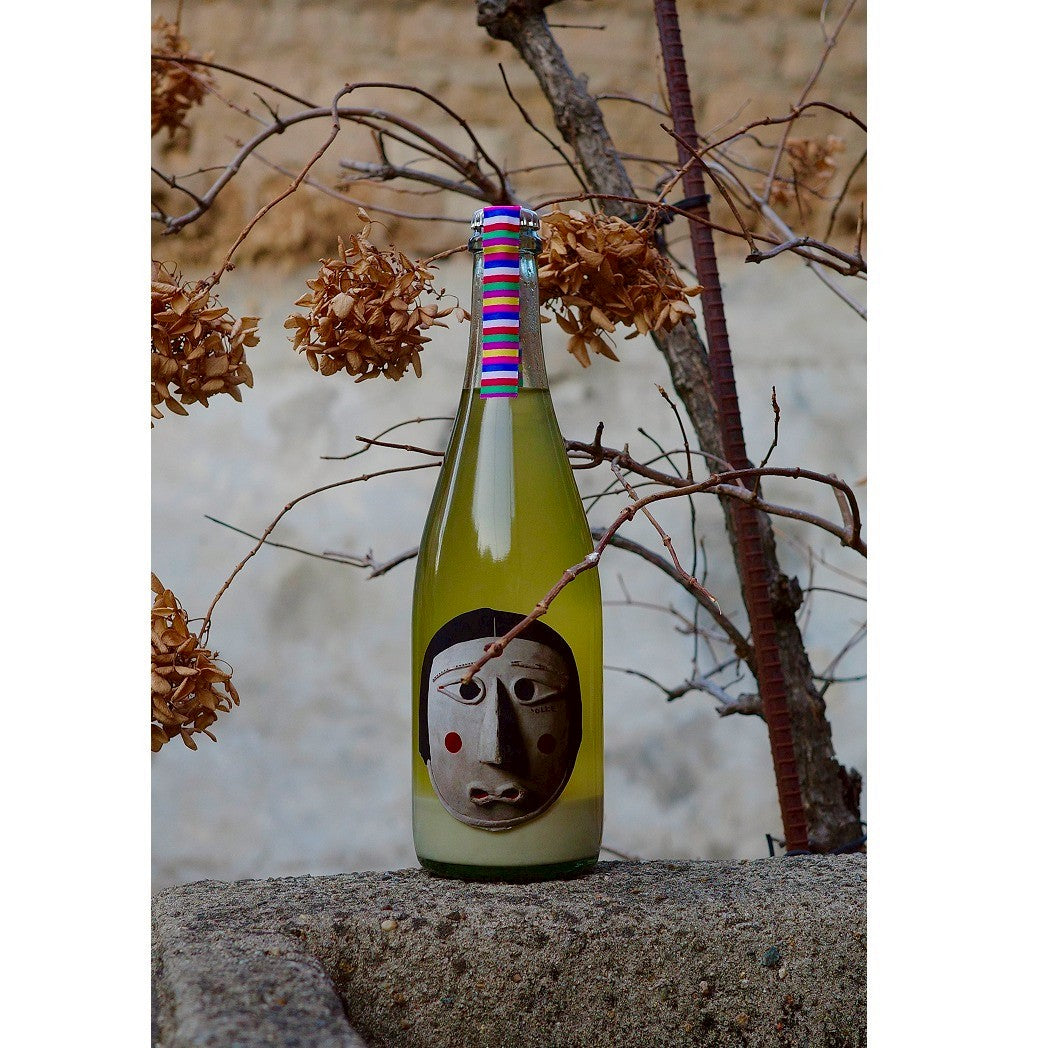
Open it slowly
Unpasteurized makgeolli contains live yeast. Fermentation continues in the bottle, and gas may build up.
- Avoid shaking hard — slowly turning the bottle over is enough.
- Don’t open the cap all at once: loosen it a little to release gas, then open gradually.
- Store refrigerated at 10°C or below, always standing upright.
- Once opened, enjoy it as soon as you can.
Temperature changes it again
A well-chilled first glass and a glass that has warmed slightly open up differently. Some, like OLKE, grow more complex as the temperature rises. A wine glass shows the change clearly.
One bottle, two or three ways to enjoy it — that is the pleasure of fresh makgeolli.
Featured in this story


Drinking by persons under 20 is prohibited by law in Japan.